Source eco friendly ps coin display case for Storage, Display, Protection
Find 30 options for the eco friendly ps coin display case designed for storage, display, and protection of graded coins. Buyers can compare sizes, materials, and customization features to select the right holder for their collection needs.
Key considerations
Products List








Comprehensive Sourcing Guide
Eco Friendly PS Coin Display Case Sourcing Guide
Sourcing protective enclosures for numismatic assets requires a careful balance between material integrity, aesthetic clarity, and environmental responsibility. The market for coin display cases has evolved beyond simple plastic capsules to include specialized acrylic and polystyrene (PS) solutions designed for high-grade slabbed coins. Buyers must navigate a landscape where "eco-friendly" claims often intersect with durable, reusable storage solutions rather than biodegradable disposables. This guide provides evidence-based procurement strategies for sourcing PS and acrylic coin display cases, focusing on technical verification, commercial terms, and supplier qualification to ensure long-term asset protection.
The core keyword "eco friendly ps coin display case" suggests a demand for sustainable packaging or storage materials that minimize environmental impact while maintaining high clarity and structural strength. In the context of coin collecting, "eco-friendly" typically refers to the recyclability of the material, the durability of the product to prevent single-use waste, or the use of non-toxic manufacturing processes. Procurement teams must distinguish between marketing terminology and verifiable material properties, ensuring that the selected PS or acrylic cases offer the necessary protection for valuable numismatic items without compromising on safety or longevity.
Product Scope and Observed Listing Signals
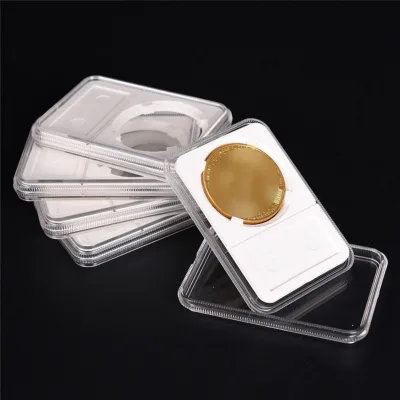
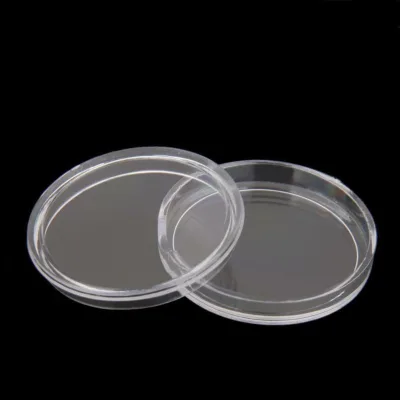
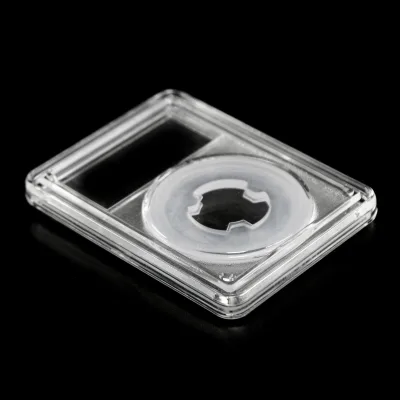
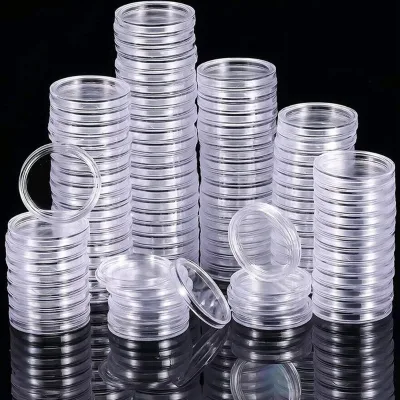
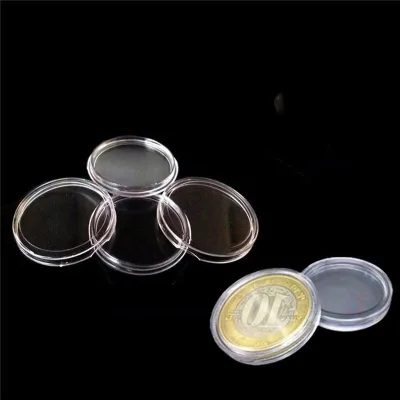
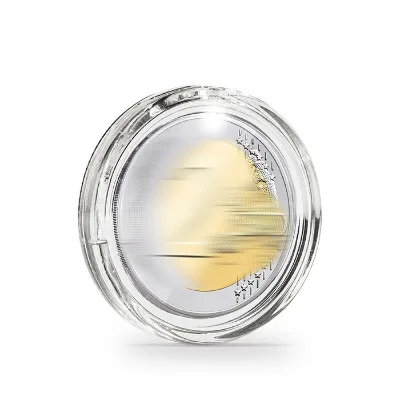
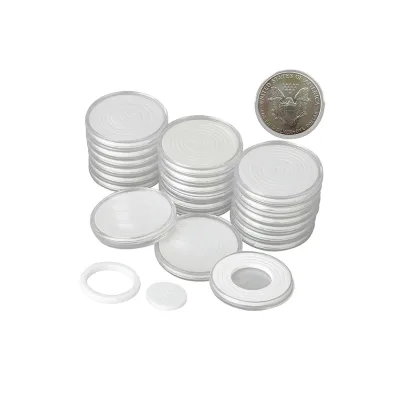
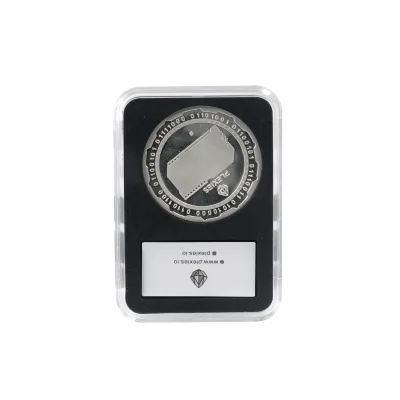
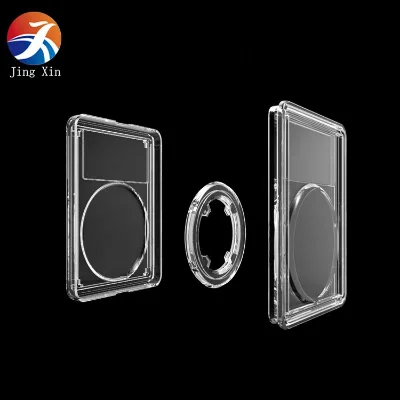
The observed product landscape reveals a diverse range of coin display solutions, primarily categorized as acrylic cases, plastic coin capsules, and custom-grade coin slabs. Listings indicate a strong presence of products made from Acrylic and PS Plastic, with specific models designed for vertical or horizontal orientation on countertops or desktops. The scope includes both standard sizes, such as 40 mm capsules, and custom-sized holders tailored for specific coin diameters ranging from 14 mm to 22 mm. These products are often marketed as "Grade Coin Slab" protectors, indicating their suitability for displaying coins authenticated by major grading services like NGC, PCGS, and CAC.
Listing signals highlight significant customization capabilities, with many suppliers offering logo printing, custom sizes, and tailored gasket dimensions. The observed price range of $0.02 to $25 USD reflects the variance between simple single capsules and complex multi-shelf display units. Minimum Order Quantities (MOQs) vary widely, from as low as 1 piece for sampling up to 3,000 pieces for bulk production, with a common MOQ of 500 pieces observed for customized orders. Buyers should note that while "eco-friendly" is a desired attribute, the primary functional attributes observed include waterproofing, partial hardness, and easy assembly, which are critical for practical storage and display.
Technical Specifications to Verify
Verifying the material composition is the first critical step in ensuring the safety of numismatic assets. While the core keyword specifies PS (Polystyrene), many high-end display cases utilize Acrylic (PMMA) for superior clarity and scratch resistance. Buyers must confirm whether the product is made from pure PS, Acrylic, or a composite, as each material has different chemical interactions with coin surfaces. PS is generally rigid and clear but can be more brittle than Acrylic. It is essential to verify that the material is acid-free and PVC-free to prevent chemical reactions that could tarnish or damage the coin's surface over time, especially for high-grade specimens.
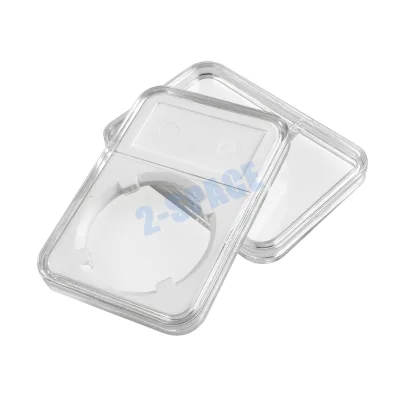
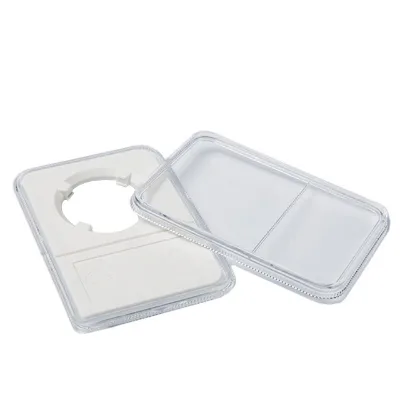
Dimensional accuracy and structural integrity are paramount for slabbed coins, which often have specific thickness requirements. Observed specifications include dimensions such as 84x56x8mm, designed to accommodate coins of varying diameters from 14 mm to 22 mm. Buyers should verify the thickness of the layer board or panel, as well as the precision of the self-locking mechanisms or ultrasonic welding features. The presence of a "partial hard" attribute suggests a balance between flexibility for insertion and rigidity for protection. Additionally, the orientation capability (vertical or horizontal) and the stability of the countertop or desktop installation must be tested to ensure the case does not tip over or fail to secure the coin properly.
Compliance and Safety Documentation
Environmental claims require substantiation through recognized certifications or material safety data sheets (MSDS). Buyers should request documentation that verifies the recyclability of the PS or Acrylic material, as well as any certifications related to non-toxic manufacturing processes. While specific eco-certifications were not explicitly listed in the observed data, buyers must inquire about compliance with international standards for plastic products, such as REACH in Europe or CPSIA in the United States, to ensure the absence of harmful phthalates or heavy metals. This is particularly important if the display cases are intended for retail environments where consumer safety is a priority.
Chemical stability is a critical safety factor for long-term coin storage. Buyers must verify that the plastic components do not off-gas volatile organic compounds (VOCs) that could degrade the coin's surface or the holder's clarity. Requesting a statement of compliance regarding PVC-free and acid-free properties is standard practice in numismatic preservation. Additionally, if the product involves ultrasonic welding or specific surface treatments like polishing, buyers should ensure that these processes do not introduce contaminants or weaken the structural integrity of the case. Documentation should also confirm that the product is suitable for indoor storage and display, as environmental factors like humidity and UV exposure can affect both the plastic and the coin.
Cost Drivers and Commercial Terms
The cost of coin display cases is influenced by material type, customization level, and order volume. Acrylic cases generally command a higher price than PS capsules due to superior optical clarity and durability. Customization features, such as logo printing, custom sizes, and specific gasket dimensions, add to the production cost and may increase the MOQ. The observed MOQ of 500 pieces for customized orders suggests that significant setup costs are amortized over larger batches. Buyers should analyze the unit price trends across different volume tiers to determine the most cost-effective order quantity for their needs.
Packaging and logistics also play a significant role in the total cost of ownership. The observed packing method of cartons and single package sizes of 12x8x12 cm or 5x5x5 cm indicate that efficient stacking and shipping are possible. Buyers should verify the gross weight, which is listed as 0.1 kg per unit, to calculate accurate freight costs. Lead times and production capacity should be discussed early in the sourcing process, as customized orders may require longer manufacturing periods. Understanding the payment terms and warranty policies for defects in material or workmanship is essential to mitigate financial risk.
Supplier Qualification and Quality Control
Supplier qualification begins with verifying the manufacturer's location and production capabilities. The observed origin of Guangdong, China, indicates a hub for plastic manufacturing and acrylic processing. Buyers should assess the supplier's experience in producing numismatic accessories, as specialized knowledge ensures better understanding of coin grading standards and display requirements. Requesting samples is crucial to evaluate the clarity, fit, and finish of the cases. Buyers should inspect the surface treatment for polish quality and check the self-locking mechanisms for ease of use and security.
Quality control protocols should include random sampling inspections for dimensional accuracy and material consistency. Buyers should verify that the supplier has a robust process for handling custom orders, including proofing and approval stages for logos and designs. Inquiring about the supplier's defect rate and return policy is essential to ensure accountability. Additionally, buyers should assess the supplier's ability to scale production if demand increases, ensuring that quality remains consistent across large batches. Building a relationship with a supplier who prioritizes transparency and quality assurance will reduce the risk of receiving substandard products.
Long-Term Procurement Checks
Long-term procurement success depends on the supplier's ability to maintain consistent quality and adapt to changing market demands. Buyers should establish regular review cycles to assess the performance of the coin display cases in real-world storage conditions. Monitoring for any signs of yellowing, cracking, or loss of clarity in the PS or Acrylic material is essential for long-term preservation. Feedback from end-users or collectors can provide valuable insights into the practical usability of the cases, such as ease of insertion and removal, and the stability of the display stand.
Sustainability efforts should be an ongoing focus, with buyers periodically reviewing the supplier's environmental practices and material sourcing. As regulations and consumer preferences evolve, suppliers may introduce new eco-friendly materials or manufacturing processes. Buyers should stay informed about industry trends and be open to upgrading to more sustainable options if they offer comparable or superior protection. Maintaining open communication with the supplier regarding future needs and potential improvements will foster a collaborative partnership that benefits both parties and ensures the continued protection of valuable numismatic assets.
FAQs
Can I get a custom logo printed on the coin display case?
Yes, logo printing is available for this acrylic coin display holder. The product supports customization with a custom logo, allowing buyers to brand the clear plastic slab for their specific coin grading needs.
What are the available size options for the coin slab?
The case comes in standard dimensions of 84x56x8mm and can be customized for various coin sizes. Specific sizes are available for coins ranging from 14mm to 22mm, ensuring a secure fit for different grade coins.
Is the coin display case waterproof and suitable for storage?
Yes, the product is waterproof and designed for indoor storage. It features a self-lock mechanism and is made from durable acrylic and PS plastic to protect valuable coins from environmental damage.
What is the minimum order quantity for this plastic coin case?
The minimum order quantity is 500 pieces for this customized plastic grade coin slab. Buyers should note that while the general range allows for lower quantities, this specific item requires a bulk purchase of 500 units.
How is the coin display case installed and assembled?
The case features easy assembly and can be installed on countertops or desktops. It is designed for vertical or horizontal orientation, making it versatile for displaying coins in various retail or collection settings.
What material is used to construct the coin protection box?
The display case is constructed from high-quality acrylic and PS plastic materials. These materials provide a clear, polished finish that ensures the coin slab remains visible while offering robust protection for the stored items.